Blessed Dad.svg Review
First Impressions of Blessed Dad.svg
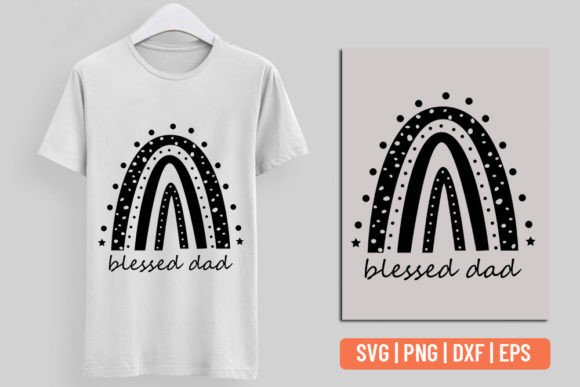
The moment I opened the Blessed Dad.svg file, I was struck by its clean, heartfelt design. The layout is simple yet powerful, with a central image that immediately conveys warmth and family values. The shape is well-balanced, making it ideal for a variety of embroidery projects. The theme is clearly centered around fatherhood, which gives it a strong emotional appeal.
The level of detail is just right—enough to make the design stand out without being overwhelming. It’s the kind of design that feels like it belongs on a custom t-shirt, a baby onesie, or even a personalized gift. The visual personality is friendly and approachable, perfect for a wide range of audiences.
Real-World Embroidery Performance
Blessed Dad.svg performs well in most standard embroidery situations. When used on a t-shirt or sweatshirt, it maintains its clarity and charm. The design is versatile enough to work on both light and dark fabrics, though I recommend testing it on different backgrounds to ensure the best results.
For custom apparel, this design works great as a tote bag design or a sweatshirt embroidery. It also fits well on baby clothes, where the softness of the design complements the delicate nature of the item. As an embroidered patch, it holds up nicely, especially when using satin stitch and fill stitch techniques.
When considering small business merchandise or Etsy listings, Blessed Dad.svg has the potential to be a hit. Its universal appeal makes it a good fit for handmade products, personalized gifts, and boutique branding. It’s also suitable for holiday embroidery, such as Christmas or Father’s Day items, where the sentimentality of the design can resonate with customers.
Where to Use With Caution
While Blessed Dad.svg is generally easy to work with, there are some scenarios where care is needed. On small hoop sizes, the design may require some adjustment to ensure all elements are properly stitched. For textured fabrics or thin, stretchy materials, extra attention should be paid to stabilizer use and thread color contrast.
If you're planning to embroider on dark fabric, consider how the design will look against that background. Some details might get lost if not properly adjusted. Similarly, curved surfaces like caps or hats may require slight modifications to maintain the integrity of the design.
For projects with tiny lettering or detailed corners, it's important to inspect the design closely before stitching. Dense stitch areas could lead to puckering if not handled correctly. Always test the design on scrap fabric first to ensure it meets your expectations.
Impact on Visual Appeal and Customer Trust
Blessed Dad.svg adds value to any finished product. Its clear lines and balanced composition make it visually appealing, which can increase customer satisfaction. When used on personalized gifts or custom apparel, it helps build trust by showing attention to detail and quality craftsmanship.
As a handmade product, this design supports a professional appearance, which is crucial for craft businesses and Etsy sellers. It also enhances brand consistency, especially if it’s part of a larger collection of designs. The design’s universal theme makes it highly giftable, increasing its appeal to a broad audience.
For commercial embroidery projects, Blessed Dad.svg offers a reliable option that can be adapted to various applications. Whether you’re creating printable mockups or digital embroidery files, this design provides a solid foundation for further customization and presentation.
Practical Designer Notes
Before finalizing any project with Blessed Dad.svg, I always recommend testing it on scrap fabric. This helps identify any issues with stitch density or fabric compatibility. Checking thread color contrast is also essential, especially when working with dark or light backgrounds.
Reviewing the stitch density ensures that the design doesn’t become too dense or too sparse. Confirming the correct hoop size is important to avoid any misalignment during the embroidery process. Inspecting small details like lettering or corners can prevent unexpected problems later on.
Testing the design in black and white mockups can help visualize how it will look on different fabrics. Comparing it on light and dark backgrounds can reveal subtle differences that may affect the final outcome. Using the proper stabilizer is key, especially when working with delicate or stretchy fabrics.
It’s also important to verify whether the design is suitable for both personal and commercial projects. If you plan to sell finished items or digital products, confirming the licensing terms is a must. This ensures that you’re compliant and avoids any legal issues down the line.